
Is a wood heater worth it?
Posted by Ultimate Showroom on
You’ve been quoted somewhere past $3,000 to put a wood heater in, and now you’re running the sum in your head. That’s real money for something a split system could do for under a thousand. So is a wood heater worth it, or are you paying for the look of a fire?
For the right home, yes. A wood heater earns its price when you have a large or open-plan space to heat, reasonable access to firewood, and a genuine cold-climate winter. It’s the wrong buy for a small apartment, a smoke-restricted block, or anyone who wants warmth at the push of a button with nothing to load, light or clean. Everything below is the detail behind that answer, including the honest pros and cons.
Here’s the quick version before the detail.
Worth it for your place if:
- You’re heating a large or open-plan living zone a split system struggles to fill
- You can get seasoned firewood without paying a fortune for it
- You live somewhere with a real winter, like Ballarat, Bendigo or the Dandenong Ranges
- You don’t mind carrying wood in and clearing ash out
Probably not if:
- You’re in an apartment or a small, well-sealed unit
- Your area has wood-smoke restrictions or tightly packed neighbours
- You want heat on a timer and nothing else to think about
What makes a wood heater worth it
The benefits of wood heating come down to two things: the kind of heat it makes, and how little it depends on anything else.
A wood heater warms a room in a way ducted and split systems can’t quite match. A split system blows warm air, which rises and thins out before it reaches the far side of a big room. A wood heater radiates heat off its own steel body, so the warmth reaches you directly, the way the sun warms you through a window. In a large or open-plan living zone, that difference is the whole point. It’s why people who own both often say nothing heats a big room like a wood fire.
Then there’s independence. A wood heater keeps working when the power doesn’t. On a cold night in the hills behind Ballarat or up in the Dandenongs, when a storm takes the grid down with it, a reverse cycle unit stops and a wood heater doesn’t miss a beat. For a home at the end of a long rural line, that alone can justify the purchase.
There’s also the running-cost feeling. Once the wood shed is stocked for the season, you stop watching a meter tick over every time you want the room warm. You burn what you’ve got, and for many owners that is a real part of the appeal.
And the sensory side deserves to be taken seriously, not waved away. The smell of burning hardwood, the crackle, the moving light on the wall on a black winter evening - people don’t keep buying wood heaters decade after decade for no reason. It’s a real part of what you’re paying for.
“A wood heater radiates heat off its own steel body, so the warmth reaches you directly, the way the sun warms you through a window.”
What a wood heater really costs
A wood heater is worth it only if the running numbers make sense, so here they are in full. There are three costs to plan for: the heater and its installation, the firewood, and a yearly clean.
| What you pay for | Typical cost | Notes |
|---|---|---|
| Heater plus installation | $3,000 to $6,000, once | Depends on the unit size and how long the flue run is |
| Firewood | $250 to $450 a tonne, about 1 to 3 tonnes a winter | Seasoned hardwood, delivered around Victoria |
| Annual sweep and service | $150 to $300 a year | Clears the flue and keeps the fire burning cleanly |
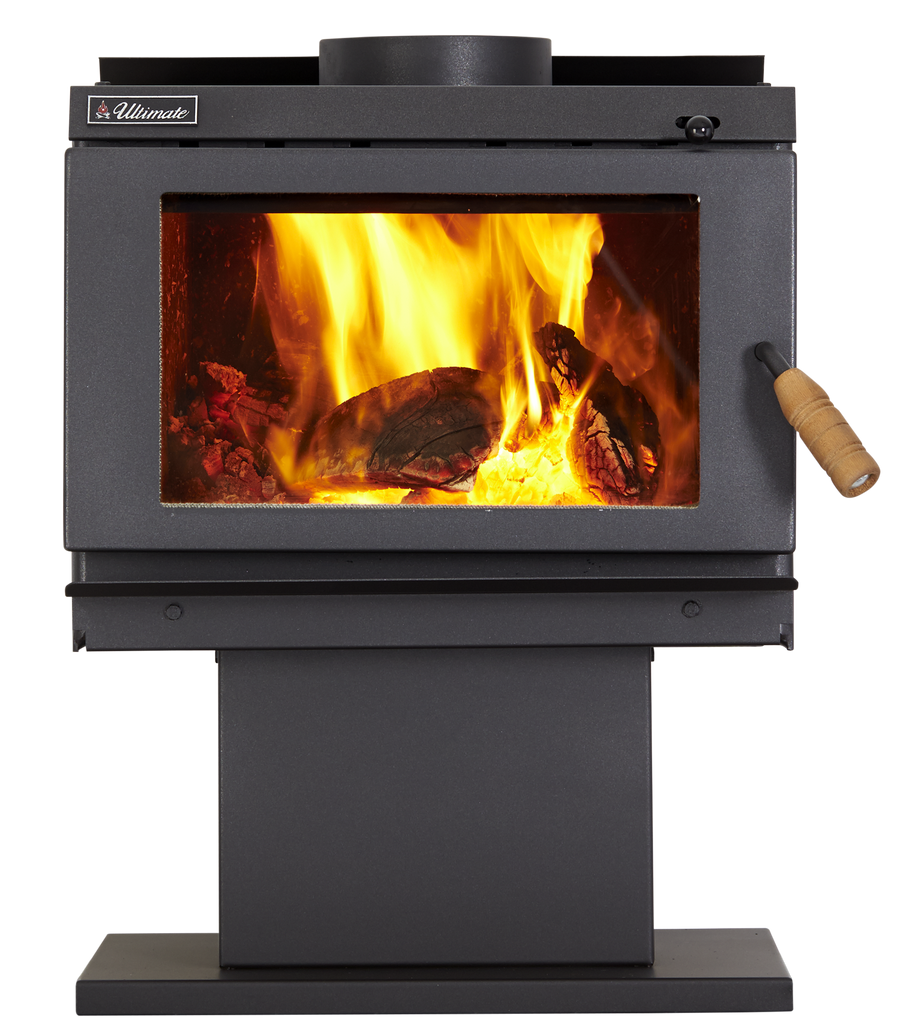
Installation is the big one-off. A quality wood heater with a standard flue run lands between $3,000 and $6,000 fitted, and the full breakdown sits in our guide to what a wood heater costs to install.
Firewood is the ongoing cost, and it swings a lot. Seasoned hardwood runs roughly $250 to $450 a tonne delivered around Victoria, depending on the timber and the supplier. A Melbourne winter of regular burning uses somewhere between one and three tonnes. If you split and season your own, or you’re near a cheap rural supply, that figure drops sharply. What you burn matters as much as what you pay, since dry, dense hardwood does the work while green or soft wood just makes smoke and creosote.
The last cost is the one people forget: a yearly sweep and service, around $150 to $300, before the first fire of the season. It clears the creosote that builds up in the flue and keeps the burn clean and safe. Skip it for a few years and a small saving turns into a real flue-fire risk.
The disadvantages of a wood heater
The disadvantages of a wood heater are real, and glossing over them would do you no favours.
The first is effort. A wood heater is a job, not a switch. You carry wood in, lay and light the fire, clear the ash, and feed it through the evening. For some people that’s part of the pleasure. For others it’s the exact chore they don’t want at the end of a long day.
The second is smoke, and it’s partly about the people next door. A modern heater sold in Australia has to meet an emissions and efficiency standard, AS/NZS 4013. It caps particulates at 1.5 grams per kilogram of wood and sets a minimum efficiency of 60 per cent. A new certified unit burning dry wood produces little visible smoke. A badly run fire or damp wood produces a lot, and in a tightly packed suburb that becomes everyone’s problem. Wood smoke is a genuine air-quality issue that the Environment Protection Authority (EPA) Victoria takes seriously. If smoke ever leads to a dispute, it’s your local council that handles it rather than the EPA, so where you live and who you live beside matters.
Third is the local rules. Where and how you can install a wood heater varies by council, and some areas discourage or restrict them. It’s worth checking before you buy rather than after, and our guide to where you can install a wood heater in Melbourne runs through the councils.
Then the honest one on cost. On a straight cost-per-hour basis, a reverse cycle split system is cheaper to run than a wood heater. That isn’t in dispute. So is wood heating cheap? Not by the hour. What the hourly figure leaves out is the kind of heat you get for it, whether you’re warming one room or a whole open-plan zone, and whether running independently of the grid is worth something to you.
Why a wood heater gets cheaper the longer you own it
Spread the purchase across the life of the appliance and the picture changes.
A good-quality certified wood heater is commonly a 15 to 20 year appliance, and often longer with that yearly service. Spread over twenty winters, the heater itself becomes one of the smaller numbers in the whole exercise. The split system you would compare it against usually has a shorter life and a compressor that costs a lot to replace when it goes.
There’s a manufacturing point that matters here for you, not as a badge to wave. Because these fireboxes are made in Melbourne rather than shipped in, the 10 year firebox warranty is backed by parts kept on local shelves. A repair years down the track means pulling a part off a shelf here, rather than waiting on an overseas order. Over a twenty year life, that can be the difference between a heater that stays in service and one that gets scrapped when a part is hard to find.
“Spread over twenty winters, the heater itself becomes one of the smaller numbers in the whole exercise.”
Questions people ask before buying
Are wood heaters worth the money?
For a home with the space and a cold winter, yes. A wood heater puts more heat into a large room than most split systems, lasts 15 to 20 years, and runs when the grid is down. It’s poor value in a small, mild home where a split system would do the job with none of the effort.
Is wood heating cheaper than gas or electric?
It depends how you measure it. By the hour, an efficient reverse cycle system is usually cheaper to run than wood. But with low-cost or self-supplied firewood, or when you’re replacing expensive gas or a wasteful open fire, wood can work out cheaper across a season. Upfront, a wood heater costs more to install than a plug-in electric heater and lands about level with a good split system.
How long does a wood heater last?
A quality certified wood heater usually lasts 15 to 20 years, and often longer with an annual sweep and service. Door seals, baffles and firebricks are wear parts you replace along the way, not reasons to replace the whole heater.
For a lot of households the honest answer isn’t one heater or the other. Plenty of owners run the wood heater as the main heat for the living zone through the depth of winter, and leave the split system for the mild weeks of autumn and spring, when lighting a fire is more effort than the night is cold.
If you do go ahead, the one thing that decides whether you’re still happy in five years is getting the size right. A heater that’s too big for the room gets damped down to stay comfortable, which dirties the glass and coats the flue. Too small and it never quite fills the space. The output rating in square metres needs to match your real floor area, allowing for ceiling height and how open the plan is.
That last part is worth doing in person. Bring the rough floor area of your room and stand in front of a few sizes at an Ultimate Fires showroom in Dandenong South, Epping, Geelong, Ballarat, Adelaide or Perth, and the staff can match a unit to your space instead of guessing from a screen.
- Tags: Tips & Tricks Wood